/cdn.vox-cdn.com/uploads/chorus_image/image/49493993/this-is-fine.0.jpg)
Psychologist, Sheldon Cohen wanted to examine the way stress effects our immune system. He stated that "It turns out the more education you have, the less cortisol you release during the day. The more income you have, the less cortisol you release during the day". Cortisol is in fact good for your body in small doses. Long term effects can have detrimental effects. Research indicated that individuals with less chronic stress caught less colds then people with more chronic stress. Those individuals with successful careers have a co-workers to help facilitate job tasks, which cause for less stress as well. Individuals with less stress live healthier lifestyles. These are people are ones who typically have a higher education and have more financial security.
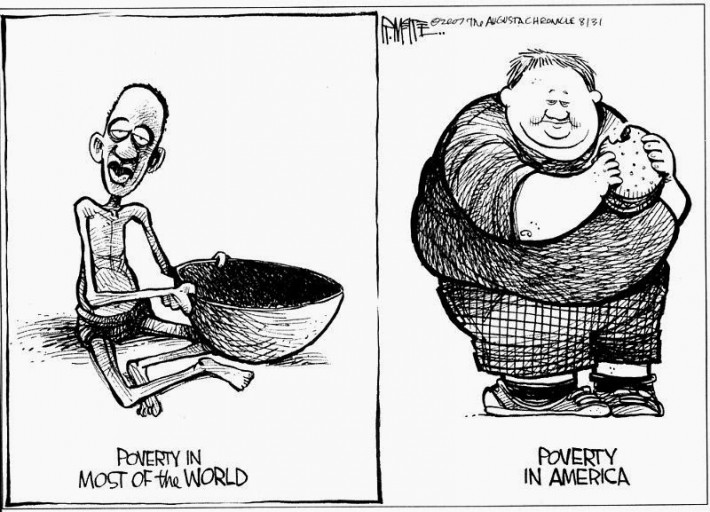
Think about making healthy choice when it comes to eating a meal and exercising: think about the time it takes to prepare the meal, the transportation necessary to get to the store, think about the money we need to afford it, the cost of a gym membership. When you have a higher income, you have a greater opportunity to make healthy life-style choices.
When it comes to growing up, Childhood poverty can have life long health consequences. According the Pediatrician, John P Schonkoff, at Harvard Medical Center "just the burden of day after day not knowing whether there is going to be food on the table or not knowing whether you're going to have a roof over your head, is actually toxic to the brain and the reason for that is because when the stress hormone levels go up, and if it stays up for days and weeks on end, those hormone levels literally interfere with the development of the brain circuity, they interfere with the development of the connections in the brain. So we begin to see in children who experience toxic stress, long term impacts of whats basically chemically damaging to their brain". This demonstrates how socio-economic levels have long term effects on the mental health and physicality of the human body. Unfortunately when it comes to children, they do not have much control over there circumstances. It appears that this is an ongoing problem across our nation in impoverished communities.
"Part of good public health, is empowering communities". - Dr. Adewale Troutman: Director of Louisville Public health and wellness. Other researchers mention creating a a just society as a whole, which goes back to our first class, where we talked about social issues and how they involve communities and large groups of people. It appears that problems effect large groups of people but we as a community can take steps on a united front to begin to address and solve them.
Check out Ted Talks: Mental health & Poverty and more information about obesity in the United States Waist Size and Socioeconomic Status.
Adelman, L. (Director). (2008). In Sickness and in Wealth [Video file]. California Newsreel. Retrieved May 21, 2018, from Kanopy.

Your final sentence could be taken as a call to action, Erin! I admire your hopeful stance in the face of a problem that is so seemingly insurmountable. And I agree with you that the documentary was "eye-opening." I wish that the eyes of more city planners and council chairs could be opened in the same way.
ReplyDeleteYou caught my attention right away when you said this film was eye opening. I agree completely. I had not previously thought of the detrimental effects that stress has on the body. When the effects of toxic stress start at a young age, you wonder what will become of these poor children. I appreciate your comment about coming together as a community to solve some of these issues involving poverty. We often feel overwhelmed when thinking about how to help and we need to work together to find solutions.
ReplyDelete"Just the burden of day after day not knowing whether there is going to be food on the table or not knowing whether you're going to have a roof over your head, is actually toxic to the brain." I agree with you that not only was this an eye opening video but it also forced you to see how stress at a young age can impact your health as an adult. Something else I found interesting was people who have a high demand job but have control do become stressed but they also have the means to control their stress, whereas people who are in a high demand job with little control also have stress but do not have the means to control this stress therefore impacting their health even more.
ReplyDeleteThis is an interesting push back on the notion of "choice" -- in the U.S. choice is often leveraged by middle and upper class folks, as well as politicians and policymakers, as a way to individualize social issues: "It's not the structure of our society, it's YOU making poor choices!" We see this in education too, in the push for "school choice": educational inequality can be displaced off of the structure of our society and onto the choice made by parents navigating a limited "marketplace" of educational opportunities.
ReplyDelete